01 / BRIEF
Starting with a deliberately broad brief
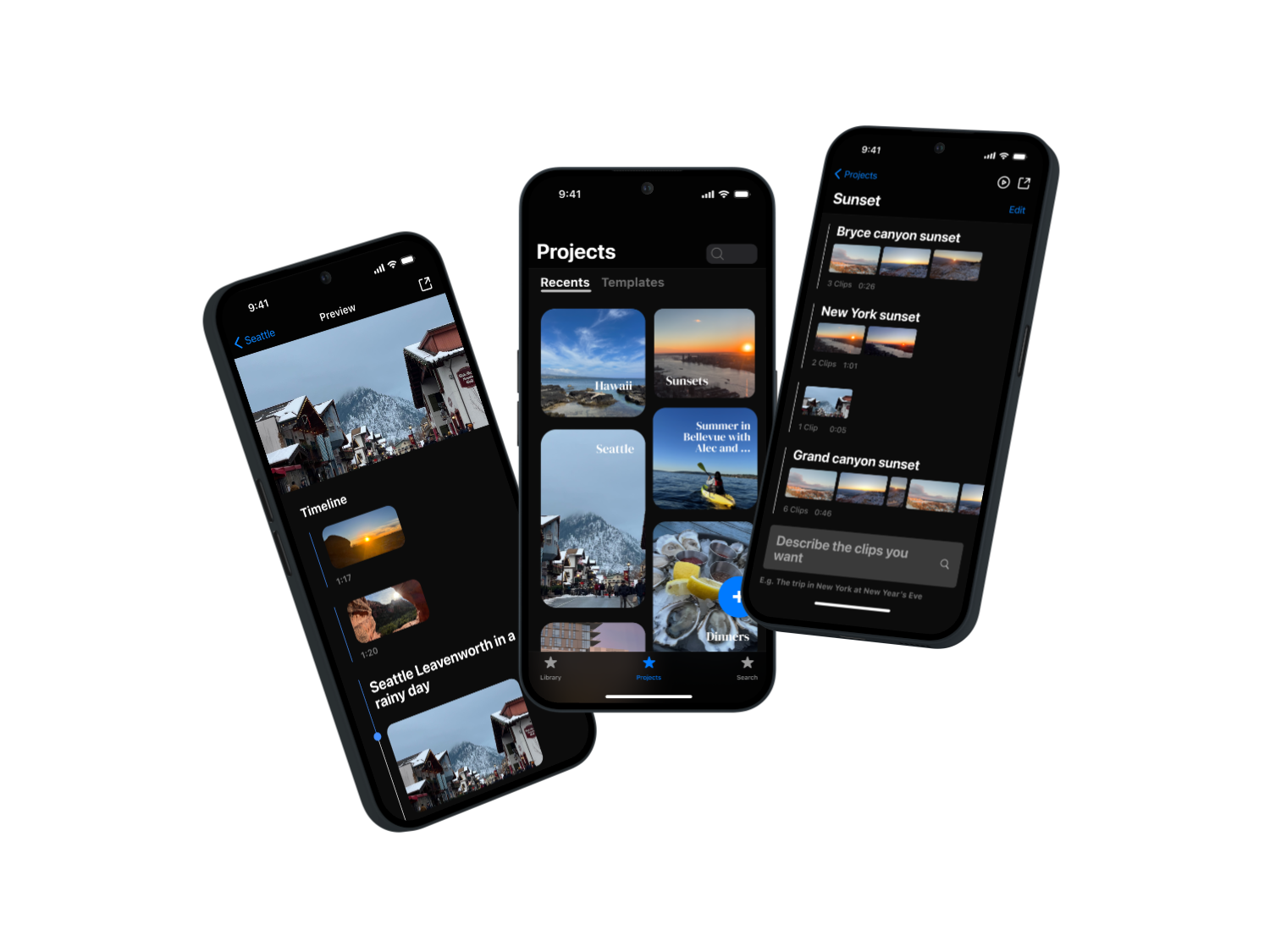
In September 2023, Meta asked us to explore emerging technologies such as generative AI to help video creators produce high-quality content more easily. Six months later, we delivered STACK—a mobile post-production workflow for amateurs and early-stage professionals.
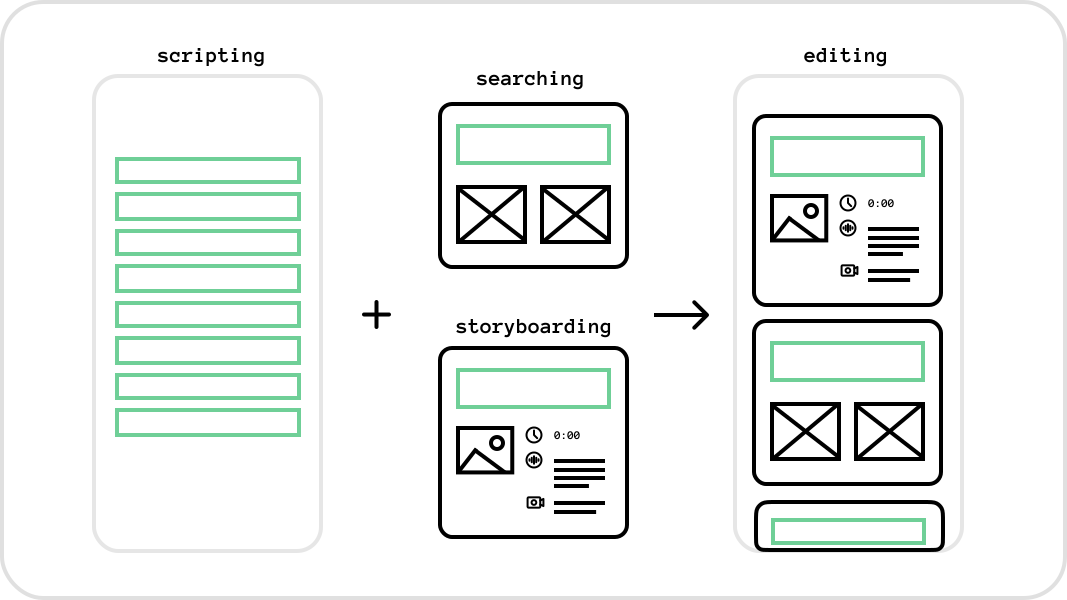
Natural-language search
Creators describe the footage they need; an LLM and media index collaborate on retrieval.
Block editing
A complex timeline becomes movable, composable video blocks for approachable rough cuts.
AI storyboarding
AI helps organize story structure while final narrative choices stay with the creator.
02 / RESEARCH
Understand creation before deciding where AI belongs
We spent the first two months on secondary research, interviews, and contextual inquiry. Instead of asking users which AI feature they wanted, we mapped the complete process from ideation to publishing and looked for moments that actually blocked progress.
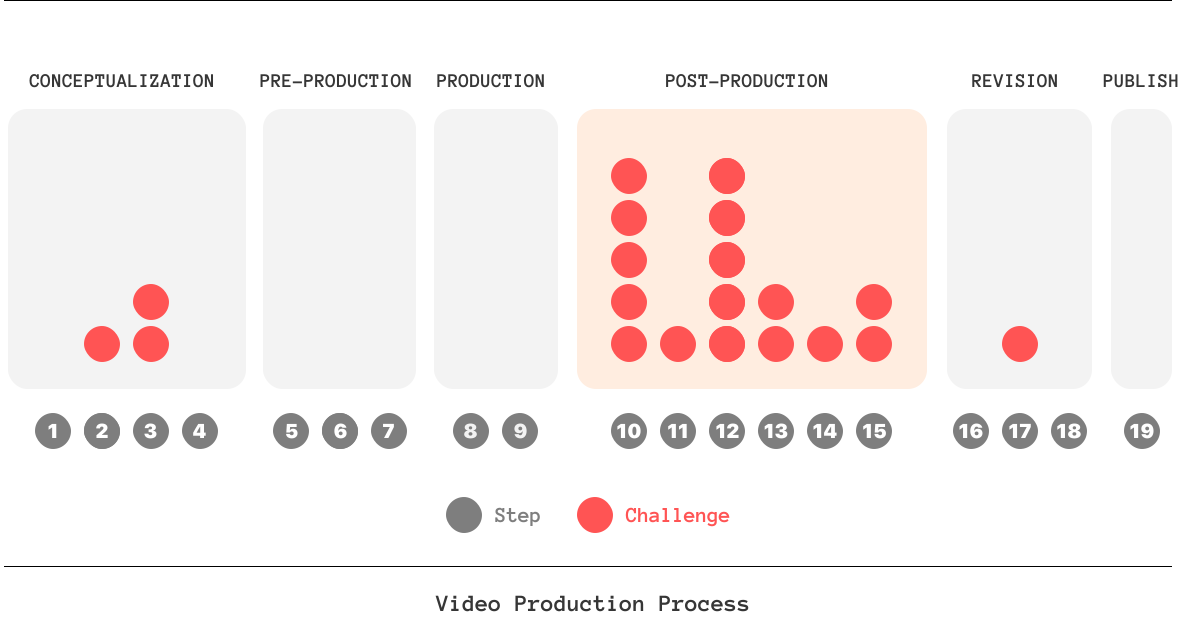
Workflows are not uniform
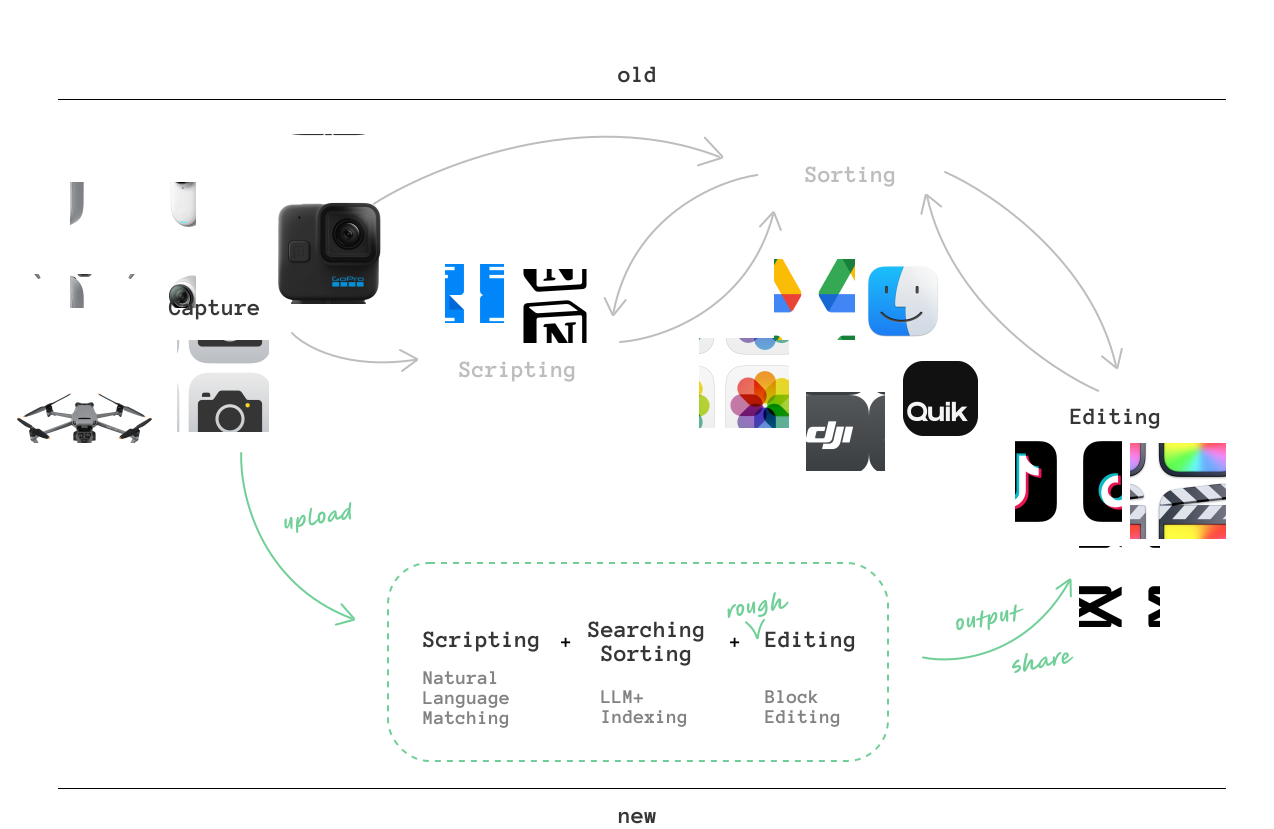
Professionals have stable toolchains; amateurs and early-stage creators often manage a messy situation.
Tool support is disconnected
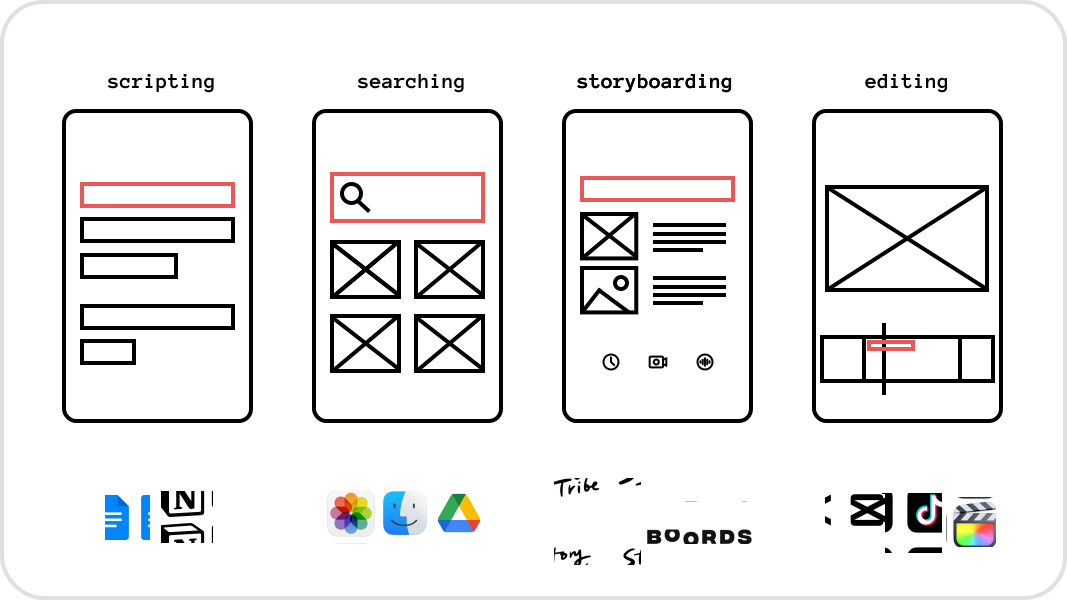
Most tools emphasize capture or detailed editing, with little support for scripting, asset organization, and entering post-production.
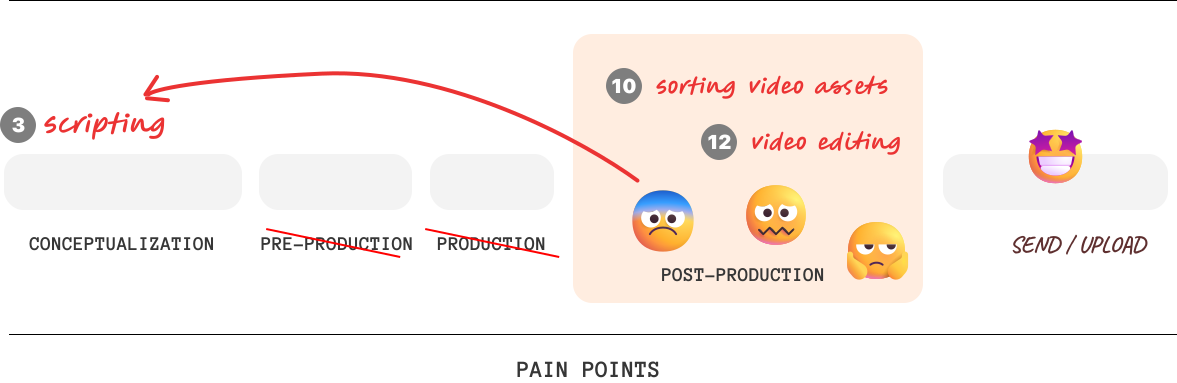
Three recurring blockers
Writing a script, finding the right footage, and turning footage into an edited video.
03 / FOCUS
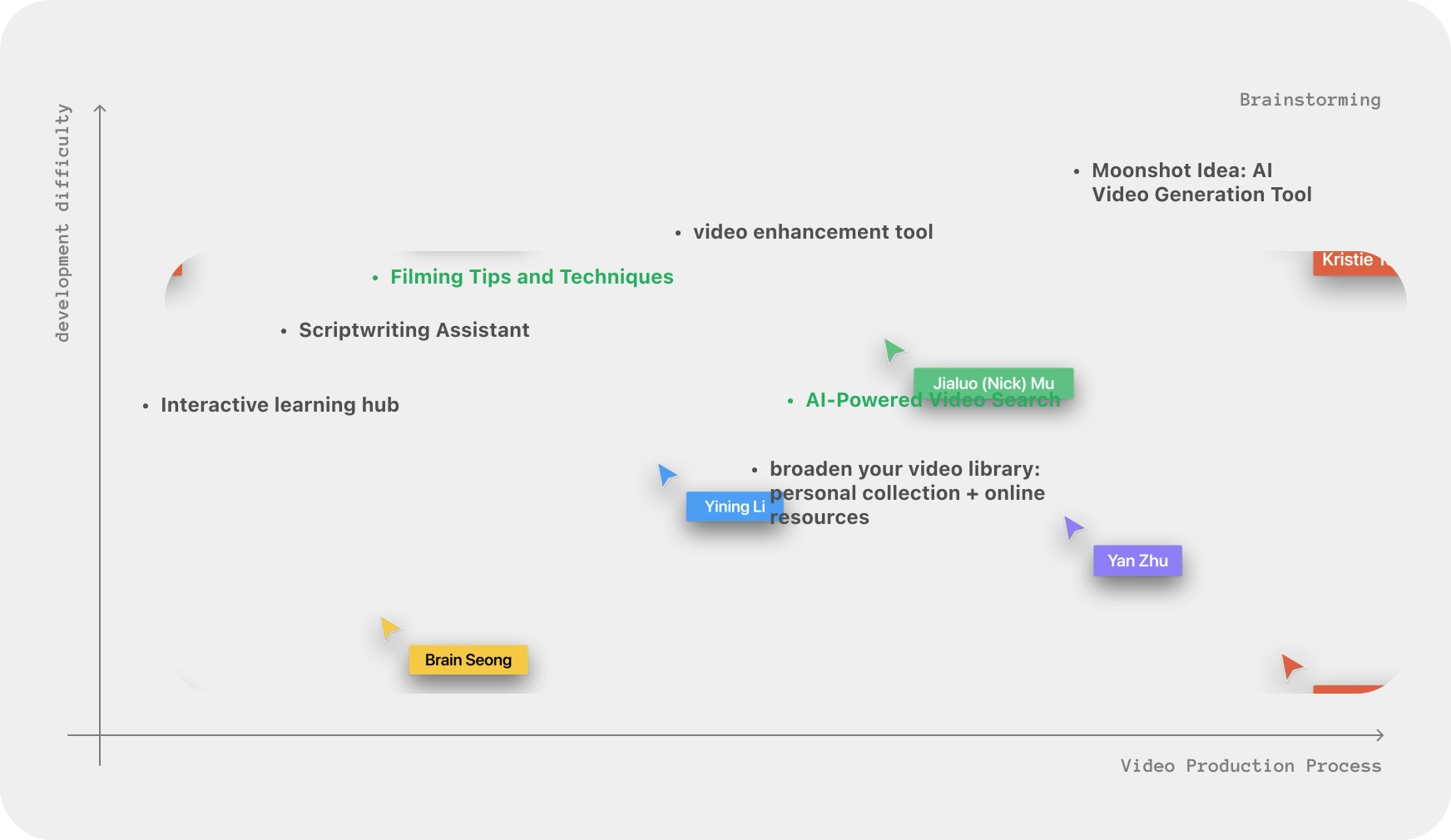
We could not boil the ocean
Scripting, capture, search, organization, and editing all contained opportunities. After weighing user value, engineering capability, and a six-month timeline, we centered the product on media indexing and retrieval, then connected it to rough editing and export.
How might we help amateur video creators retrieve relevant footage from extensive personal libraries during post-production?

04 / SOLUTION
Fit the current workflow instead of building another island
The first prototype tested four core actions: import, search, project organization, and export. Later iterations connected scripting, natural-language retrieval, media organization, and rough editing into one continuous path, while preserving an exit to established tools such as CapCut.
STACK has a clear boundary: reduce the cost of finding and organizing footage. It does not replace professional editing software or delegate every creative decision to a model.
05 / ITERATE
Three sprints made every design change explainable
Sprint 01 · Cognitive walkthrough
Revealed unclear information architecture, icon meaning, and guidance for core functions.
Sprint 02 · Usability test
Surfaced ambiguous terminology, unclear local/cloud states, and inconsistent search behavior.
Sprint 03 · Usability + heuristic evaluation
Refined timeline navigation, video selection, and first-use guidance.


Final visual direction: a dark interface that foregrounded video assets and reduced control noise.
06 / EVALUATE
Evaluation was evidence for direction—not a final ceremony
The second round involved six participants and three scenario-based tasks covering project creation, cloud-library selection, preview, rough editing, export, and sharing. Results corrected interaction details and pushed a broader visual-system change: a dark interface that foregrounded media and reduced control noise.

07 / REFLECT
What remains useful now
Where AI sits matters more than how much AI exists
In creative products, retrieval, matching, and organization can preserve agency better than generating everything.
Scope is a design decision
Letting go of script assistants and video-generation directions made a designable, buildable, testable MVP possible in six months.
Workflow value beats an isolated feature
Natural-language search becomes a product only when it connects to organization, rough editing, and export.
Created by a University of Washington team with support from Meta. Thanks to our mentor Kristie Tsao and to the creators and industry experts who joined the research and evaluations.
View the old portfolio ↗